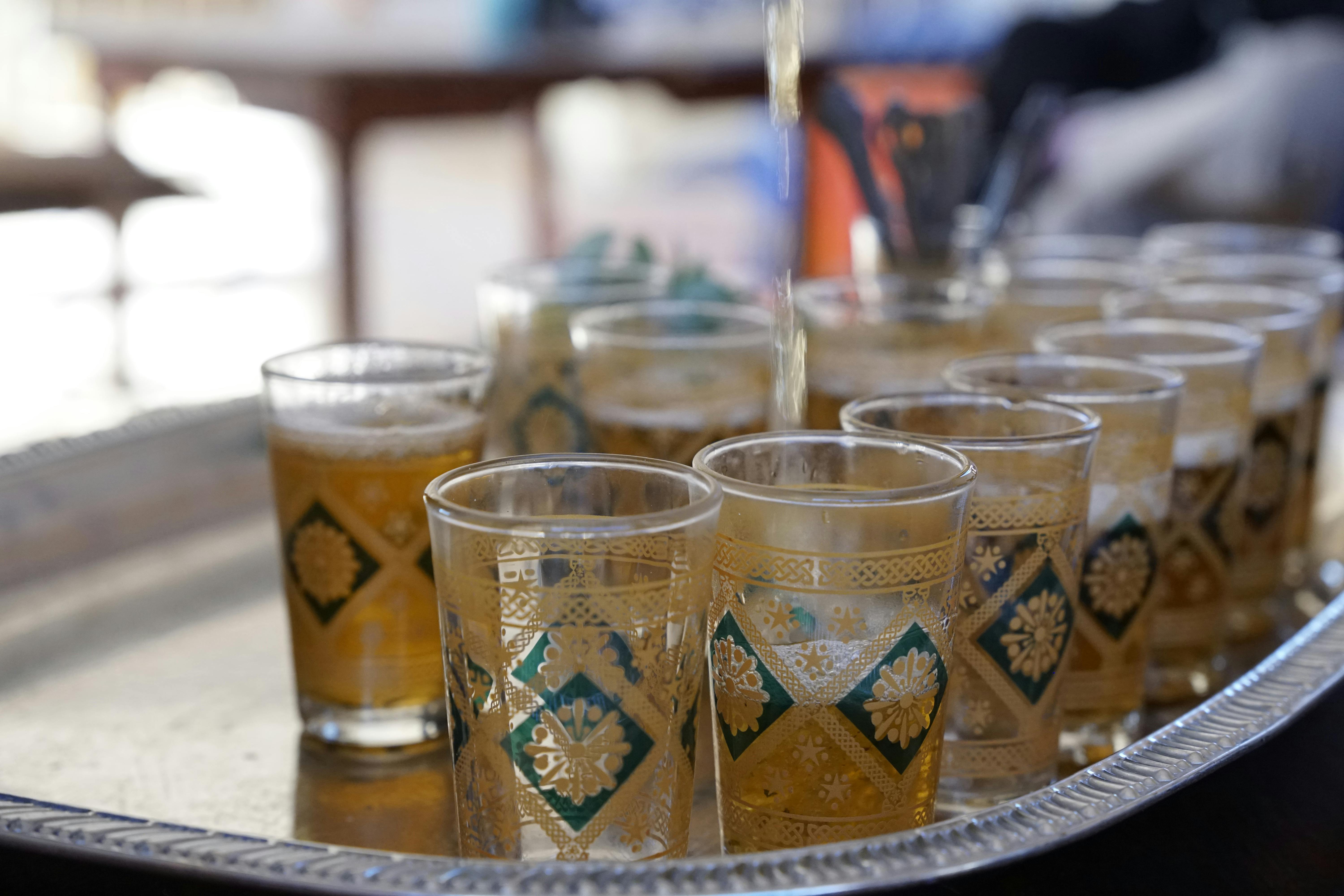
Ramadan is the Muslim sacred month of fasting. In 2027 it should run from February 7 to March 8 (subject to lunar observation). Traveling Morocco during this period is entirely doable but needs some adaptation. Here's what to know.
Ramadan dates 2026, 2027, 2028
- Ramadan 2026: ~February 17 to March 18 (confirmed day-of by lunar observation).
- Ramadan 2027: ~February 7 to March 8.
- Ramadan 2028: ~January 27 to February 25.
Ramadan moves back ~10-11 days each year vs the Gregorian calendar.
What changes for tourists
- Restaurants: 60-70% closed during daytime in traditional neighborhoods (medinas). In tourist areas (Guéliz Marrakech, Agadir Marina, hotels), many stay open for non-Muslims and foreigners.
- Opening hours: shops often closed 1-4pm. Reopen until midnight or later after sunset.
- Cafés and bars: closed during day. Reopen after iftar (breaking the fast).
- Traffic: peak just before sunset (everyone heading home for iftar) — avoid driving 5:30-7pm.
- Nightlife: very lively after iftar, medinas and cafés packed until midnight-1am.
- Museums and tourist sites: open but often with shortened hours. Check ahead.
Iftar: a magical moment to experience
Iftar (or ftour) is the evening meal breaking the fast, exactly at sunset. It's the cultural experience not to miss during Ramadan. Typical composition:
- Dates and milk — first food, to break the fast.
- Harira — traditional soup with chickpeas, lentils, tomatoes.
- Chebakia — Ramadan-typical honey-sesame cake.
- Hard-boiled eggs.
- Moroccan pastries.
- Fermented milk or fruit juices.
Many hotels and restaurants offer iftar buffets for tourists (100-300 MAD/person). An absolute must-do.
Respect tips for tourists
- Don't eat/drink in public on the street or in medinas during the day. It's legally banned (Penal Code Article 222 for Moroccans; for respect to fasters, you avoid disapproving looks).
- You can eat in private: at the hotel, in your room, in open indoor restaurants, in nature.
- Water too: avoid drinking ostentatiously in public. Discreetly in your car or hotel: fine.
- Tobacco: not in public during the day.
- Attire: a bit more modest than usual — shoulders and knees covered in public spaces, especially medinas.
- Greetings: "Ramadan Karim" or "Ramadan Mabrouk" very appreciated.
Advantages of traveling during Ramadan
- Accommodation 20-40% cheaper than peak season.
- Less-crowded sites — medinas almost empty in the afternoon.
- Unique atmosphere after iftar — animation, music, sharing. Something you experience nowhere else.
- Pleasant weather depending on year (winter/spring Ramadan = mild climate in Marrakech, Agadir).
- Decuple hospitality — sharing an iftar with a Moroccan family is one of Morocco's most beautiful experiences.
Drawbacks to anticipate
- No beer/wine at restaurants during day (outside tourist hotels).
- Some services slowed (administration, banks closing earlier).
- Staff sometimes less available/patient late day (fasting fatigue).
- Driving riskier just before iftar (general impatience).
- Desert excursions: guides may be less available.
Eid al-Fitr: end of Ramadan
End of Ramadan is marked by Eid al-Fitr — a 2-3 day celebration equivalent to our Christmas. During Eid:
- Many shops closed.
- Transport often saturated (massive family migration).
- Festive vibe everywhere — new clothes, sweets, family visits.
- Avoid if you want calm and normal services.
Conclusion
Traveling Morocco during Ramadan is a unique experience — quieter by day, magical at night. With a little respect for customs and good preparation, it's an opportunity to see the country at its most authentic. Ramadan Karim!
Ready to digitize your agency?
Start the 30-day free trial. No credit card. Cancel anytime.